

Neurology Services
TMC's Neuroscience Center offers a number of surgical and non-surgical procedures to help address neurological conditions.
Call 911 if you are seriously injured or feel you need emergency care. Emergency responders will help you decide the best course of action.
Multidisciplinary surgical care
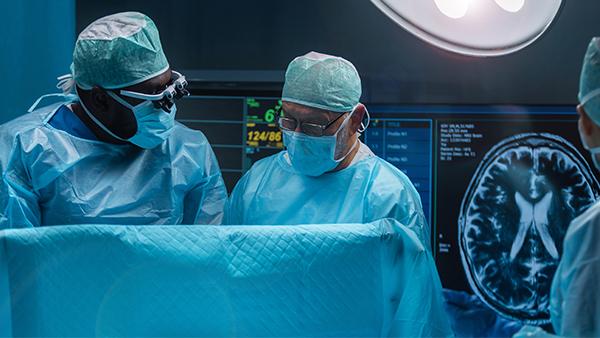
Our team of expert surgeons offer comprehensive surgical treatments for patients suffering from brain or skull-based tumors, vascular disorders, balance conditions, hearing conditions, and spine and nerve conditions. They specialize in the surgical treatment of brain tumors, pituitary tumors, degenerative conditions of the spine, cerebrovascular conditions (like aneurysm and AVM), facial pain syndromes, spina bifida and cranio-facial malformations.
Patients who need treatment for brain tumors work alongside a neuro-oncologist, neurologists, pathologists and neuroradiologists to determine a plan that best meets their needs. The unique collaboration of neurosurgeons and orthopaedic spine surgeons allow us to address spinal problems of all complexities.
McNear Neuroradiology Suite
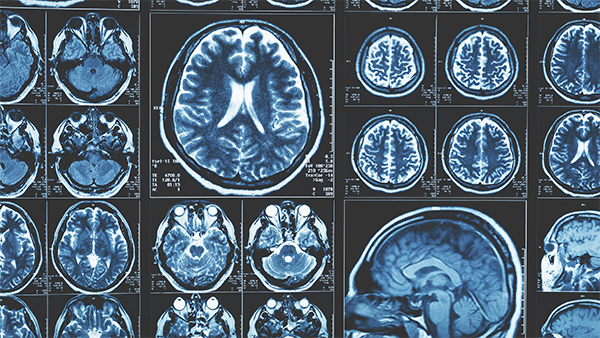
Interventional radiology offers an alternative to open surgical procedures and helps address many neurological conditions. The McNear Neuroradiology Interventional Suite uses a “biplane” for 3-D imaging to allow a neuroradiologist to pinpoint the area of interest such as a tumor, malformation or brain bleed.
TMC and Radiology Ltd. are working together to provide 24/7 coverage by interventional neuroradiologists as part of the hospital's comprehensive stroke program.
Several procedures can be performed in the interventional radiology suite, including:
- Angiography: An angiogram is an X-ray test that uses a special dye and camera to take pictures of blood flow in the blood vessels. For neurology patients, the focus of the test is typically the brain (cerebral angiogram), or the head and neck (carotid angiogram). An angiogram can find a bulge in a blood vessel (aneurysm). It can also show narrowing or a blockage in a blood vessel that slows or stops blood flow. An abnormal pattern of blood vessels or abnormal vessels near a tumor can also be seen.
- Angioplasty and Angioplasty with Vascular Stenting: Minimally invasive procedures performed to improve blood flow in the body's arteries. In angioplasty, imaging techniques are used to guide a balloon-tipped catheter, a long, thin plastic tube, into an artery and advance it to where the vessel is narrow or blocked. The balloon is then inflated to open the vessel, deflated and removed. In vascular stenting, which is often performed with angioplasty, a small wire mesh tube called a stent is permanently placed in the newly opened artery to help it remain open.
- Kyphoplasty and Vertebroplasty: Minimally invasive spinal procedures that use image guidance to inject a special cement mixture through a needle into fractured or broken vertebra. The procedures are used to help stabilize and strengthen the spinal column which helps relieve pain.
- Mechanical Thrombectomy for Treatment of Acute Stroke: Thrombectomy is the emergency removal of a blood clot which is blocking blood circulation to an area of the brain. Thrombectomy is an emergency procedure often as the last resort because permanent blockage of significant blood flow to the brain leads to death of brain tissue. Time is brain. Not all patients are candidates for this procedure. An emergent evaluation is required during your Emergency Department visit.
About G.R. McNear
G. Roger McNear, originally from Scotland, was a retired manager of European operations for the U.S. Rubber Co. He was a patient at TMC needing emergency brain surgery. Following his successful recovery, he wanted to honor his surgeon by making a significant contribution to further his work in neurosurgery. As a result, a planned gift through his estate established the G.R. McNear Fund for Neurosurgery at Tucson Medical Center. The proceeds of the fund have resulted in the McNear Neuroradiology Interventional Suite.
التصنيفات والاعتمادات

ACHC
Comprehensive stroke center
مركز توكسون الطبي هو مركز شامل معتمد للسكتة الدماغية يقدم أعلى مستوى من الرعاية المتاحة لسكان جنوب أريزونا. الشهادة من لجنة الاعتماد للرعاية الصحية، أو ACHC، وهي هيئة اعتماد مستقلة معترف بها على المستوى الوطني.
حصل مركز TMC على هذا التميز بعد أن أجرى ACHC مراجعة شاملة وموضوعية لبرنامج السكتة الدماغية في المستشفى. توفر مراكز السكتة الدماغية الشاملة رعاية لمرضى السكتة الدماغية المعقدين. تشمل بنيتها التحتية علاجات متقدمة في مجالات رئيسية مثل طب الأعصاب، وجراحة الأعصاب، والأشعة العصبية.
استند برنامج شهادة السكتة الدماغية في ACHC معاييره إلى أدلة من تحالف الهجمات الدماغية والجمعية الأمريكية للقلب/السكتة الدماغية. هذه المعايير هي متطلبات لتزويد المستشفيات بالأدوات اللازمة للتوعية والدعم فيما يتعلق بالوقاية من السكتة الدماغية والرعاية والتعافي داخل مجتمعاتها.
ACHC هي منظمة اعتماد غير ربحية معترف بها على المستوى الوطني. وقد اعتمدت مرافق الرعاية الصحية لأكثر من 60 عاما وتحت برنامج ميديكير منذ تأسيسه. تتمثل مهمتها في تعزيز رعاية المرضى عالية الجودة وسلامتهم من خلال التطبيق الموضوعي للمعايير المعترف بها. اعتمادها معترف به من قبل الحكومة الفيدرالية، وحكومات الولايات، ومنظمات الرعاية المدارة، وشركات التأمين.
AHA
Stroke Gold Plus award
TMC has received the American Heart Association/American Stroke Association’s Get With The Guidelines®-Stroke Gold Plus Quality Achievement Award and the Target: Stroke Elite Honor Roll. These designations recognize commitment and success in implementing stroke care that meets strict criteria.
NAEC
Level 3 comprehensive epilepsy center
TMC is a designated by the National Association of Epilepsy Centers as a Level 3 Comprehensive Epilepsy Center. Level 3 comprehensive epilepsy centers have the professional expertise and resources to provide the highest level of medical evaluation and treatment for patients with complex epilepsy.
Becker's Hospital Review
100 great neurosurgery & spine programs
Tucson Medical Center is considered a regional leader in spine surgery, with specialists performing around 1,000 spine operations per year. National organizations have taken notice of TMC's neurological surgery program; CareChex ranked the hospital among the top 25 institutions in the country for neurological surgery in 2018. Stroke care is another focus for TMC's neuroscience department, which boasts Tucson's only comprehensive stroke center with 24/7 coverage. In addition to the recognitions listed above, TMC also has a robust brain tumor program, and the Center for Neurosciences worked with the hospital to develop the Brain Tumor Hotline for newly diagnosed patients.


